



Interview of Alice Abracen
Interview of Alice Abracen
Interviewer : Shah Jehan Ashrafi (Mauritius)
I was enchanted by Alice Abracen’s enthusiasm during this exclusive interview carried out on Zoom. Alice Abracen is a young emerging, exuberant award-winning playwright. She graduated from Harvard University with a BA in English and Religion and the National Theatre School of Canada. Her play The Covenant won the 2017 Canadian Jewish Playwriting Competition. She is also the co-founder of Theatre Ouest End. The Tour and What Rough Beast received their US premieres with Underlings Theatre Company.
My article focuses on Abracen ‘s play What Rough Beast which was presented at the National Theatre School of Canada, Montreal in 2018. This play is about the anarchy created by lack of communication and empathy. Hell breaks loose on the campus of a progressive college when a controversial Muslim professor is invited to speak. The students face chaos when friendship and understanding are put to test. However, the playwright does not forget to make the idea of mercy and compassion haunt the play as much as cruelty itself. This play is a space that wants to forge dialogue between the visible minority group, namely Muslims and the majority group of the Canadian society. The following answers from Alice Abracen to my questions throw light on the essence of What Rough Beast:
1. Why do you write and what made you write your play What Rough Beast?
I tend to write from a place of moral uncertainty. When I find myself very worried about something or find myself kind of nestled uncomfortably between orthodoxies on a particular subject, I like to write my way out. It gives me a chance to explore and a chance to ask questions and reason why I’m so kind of uncomfortable and perplexed about a question or issue. With What Rough Beast, after the American elections, a lot of my friends were feeling very betrayed, some were surprised that Trump was elected. Some were caught completely off guard. I’m from a position quite extraordinarily privileged , I was also caught off guard. One of the things those people were wondering was how do I talk to relatives who voted for Trump and to people I am alienated from ideologically and morally even if they are in my own family and even if they are my own friends? And should I be talking to them? Should I be trying to convince them? Or is there this kind of unbreachable gap here? How do we attempt to forge dialogue and should we attempt to forge dialogue with those whose ideas we find hateful? Some people were blaming the failure of dialogue. Some were finding that dialogue as the ideal to forge community has always been too much vaunted and is actually very flawed because dialogue and communication actually privileged the oppressor and put people who are more vulnerable at risk. And I was not sure how to feel? I was torn between the ideas of dialogue and communication. Through empathy and in establishing ties, we can reach a mutual understanding. Dialogue had actually failed and was doing more harm than good. And maybe by affording too much leniency and toleration to really hateful ideas would actually pave the way through something truly destructive. That’s why I started writing What Rough Beast. Characters in What Rough Beast are torn between believing in ideas of dialogue and that they can forge some kind of communication and connection across political lines and together forge a path forward together or this idea that no by inviting people like the professor here, by reaching across that aisle we are actually enabling the oppression. The character of Michelle is someone who actually believes in dialogue in the play and Kevin is someone who believes that the professor is going to do a lot more harm than good. And the character of Rafi is ambiguously on board as he is not so crazy about the professor’s arrival. What he does think is that by introducing ourselves to people and by playing games, by hanging out and just kind of talking outside the political playground that’s how we make a path forward. Maybe he is right maybe he is not, but I know a lot of people think that way. So I started doing research and started talking to friends. I was looking for a way to examine this particular issue and one thing that I was reading a lot about were these protests that were happening on college campuses. And the college campus seems to be a bit of a microcosm of this issue. And whether or not we should invite these speakers is a very controversial issue. Should we make room for them. Where do we draw the line in terms of who we make room for? That’s how I decided to explore to the eyes of the students. One thing I was excited about the setting is that all these people in this play are young people. They are in positions of power. They feel responsible for changing and shaping the fate of the world. In campuses emotions are running very high and there are lots of ideals flying around and that’s the way I wanted to explore it through.
1. How does your play treat elements of haunting at different levels?
Yeah, I think that there are lots of haunting elements in the play. The professor is just one of the many specters that kind of lurk on the play for instance. In early drafts we did meet the professor. And then when the play continued to be written I realized we don’t need to see the professor. Everything that we’ve learned about him, we’ve learned from other characters and their perspective of him. I wanted the audience to conjure their own professor, their own person that they kind of represent and where they might draw the line or where they might plant their feet whether one should or should not be invited. But he is a very haunting figure. He is never actually seen but his presence hangs over the play and what he represents hangs over the play. He could represent either the potential for dialogue or this boogie man who has so much potential to unleash violence depending on who you want to talk to and the ideas that he spouses in the minds of many characters haunt the play. He is this kind of specter which are the premises of nationalism that he does not necessarily espouse. A lot of people embrace him as a figure and symbol ahead of it which is a great danger here. The play actually has two different versions one is American and one is Canadian. In the Canadian version it’s a bit more pronounced that one of the specters in the play is this unappetizing and ugly history of colonialism that we don’t like to acknowledge so much within Canada. I think we tend to see ourselves as a shadow of the US, the darkness I guess that could lurk within every society. And that darkness showed in the last elections although it was present for a very long time. Canada likes to see itself as the good counterpart compared to its neighbor. We’ve seen horrific scenes in our own country. We’ve seen them every day. We’ve seen specters of this racist past, present and future. The things that the professor represents are attempts to state for that and the other figures that are kind of haunting are both the victims and the perpetrators of that violence. I am certainly not the person to talk about that with authority , but we did research on the play and on the darkness that is very much haunting our Canadian history, the legacy of residential schools, the legacy of slavery, the violence of misogyny and xenophobia that raises its ugly head in cases like the polytechnic or the recent shooting a few years ago now at the mosque. I think one thing the play does look at is how those elements are present in Canada and how those elements haunt. One thing that is making them dangerous is the refusal to face them and confront them.One of the key things in the play is how do we confront them? How do we address those things? Do we face them head on? Do we reach out to those who are staring to fall down into that rabbit hole of those beliefs? Do we reach them with compassion? Do we tempt to shame them? How do we approach these issues? How do we bring people back? And a lot of research was in what these different ideas were and how to reach across the aisle? Should we reach across the aisle? So there were people we spoke to. They work in preventing radicalization. They tend to espouse a model of reachable compassion. Isolation and alienation are what make people extremely vulnerable to radicalization, hatred and they make them become prey. We also spoke to people and folks and read articles that said don’t give up an inch keep these ideas under lockdown and shut down the websites and shut them down wherever they can. To those who advocated the compassionate approach and said we had to listen and reach out, people told them not to listen and hear these ideas out. All they do is cause further harm. And as a cast in different iterations we discussed from the ideas of eventual points of our characters and we let all this research inform the handling of the play.
3. In the play local people also have their reasons to be afraid of the Other. They are also haunted by the idea of the Other. When people do not understand the Other, there has to be a problem somewhere. How do you read that in your own play?
Well, I mean I definitely want to look at this idea of mercy and compassion. One of the things I wanted to look at in the play was that sometimes the idea of compassion can be harmful. That was something I was running into again and again in my research. But then this idea that without compassion and without ever extending empathy to each other how can we possibly begin to communicate and how can we begin to repair what is broken. How can we begin to convince each other of our humanity if we are not able to acknowledge the humanity in each other. There is definitely a kind of running thread of that throughout the play and from the earliest moments some of the characters were failing to see each other’s humanity. They see each other only as political opponents and rivals and don’t see the vulnerability in each other. And it’s also the case of the characters not willing to show the vulnerability in themselves because they believe that they will be met with no mercy and will receive none. With Kevin and Michelle that was one of the major threat. The two of them started log ahead and crossed the professor and partly of that was because there was a deep sea that set apart. There is a real failure of communication and empathy and complete lack of willingness to kind of see the other’s humanity. Their relationship was in chaos in the entire play. At the end of the play for the first time there is also the idea that communication and empathy is a much more plausible idea when things are good and when things have been challenged. The willingness to communicate is completely obliterated in the second half of the play. Michelle says you can’t decide when to turn dialogue on and off. You don’t want to do it when it’s easy and it’s hard and of course she finds herself struggling to live up to that ideal and less but at the end of the play we find that they are beginning to understand each other and being able to see each other’s humanity. Michelle and kevin being able to kind of grant mercy to each other and at the same time the play is like asking when do we show mercy to each other? Rafi tries to show kindness and it doesn’t work. And the reason it doesn’t work is because he did call the cops. He did not have a choice, he had to see the safety of others first. In doing that he sort of sued himself. The characters are also haunted by what they see is their failures. They are very haunted by their responsibility. All of them feel a great responsibility to restore the safety of others and to forge this path toward a better world. Some of the characters feel more responsibility toward their family. Some of them feel more responsibility toward the global community. Sometimes the sense of responsibility comes into conflict. In the second half most of them are haunted by the feeling that they could have done better or they are haunted by the failure of what they truly believe they had to do. In the case of Kevin he doesn’t really know where he went wrong. Michelle is haunted as she feels that she might be responsible for her friend’s death. That feeling of guilt haunts both of them. There are different kinds of haunting in the play. There is also a kind of literal ghost in the play. I really wanted them to feel haunted in the second half of the play. They feel really haunted by responsibility and guilt and what do they do with it. Do they lean into guilt to deflect blame onto others? Or do they lean into it to assume greater responsibility and try to fix things? What do they do with that guilt and how they move forward?
4. You mentioned the literal ghost in the play which is Rafi. In modern times it is quite difficult for a young writer to portray a ghost visually in her play. Why did you do that? How did you manage to place that ghost on stage?
That is interesting actually. This play was developed with a bunch of different people, with the dramaturges of the acting class and the directing class of the National theatre school which played a huge role in shaping the play and one of the thing is that we worked heavily in workshops with Rafi’s ghost. We tried with him barely present and barely speaking, but it did not work. His absence was glaring probably because he is one of the pure sources of levity in the play. He is pretty funny. He was no longer his character without his equipped hand and his trademark without the empathy and just being silent and watching. That was more horrifying. I did not want him to be just be a prop on stage. So we discussed he is both in person there with his own agenda and his own actions and he is a ghost of Michelle’s conscience and a projection of her. I was really interested in the idea of ghost. All the characters are types of ghosts yet they are never quite ghost. They are always present, active and haunting. And in the case of Rafi, he is Michelle’s closest friend and ally. She is used to having him in her corner and she is used to having her bolster her and encourage her. With him not being able to do anything anymore, she is brutally haunted. At the same time his haunting presence is a reminder that she failed him to his death in her mind. She kind of roped him back into the political activity that he wanted to leave. This brought him to his end and it is her fault if he is dead. I think many people feel this when you have lost someone you tend to see them everywhere and you tend to be haunted by them particularly if you feel any responsibility or guilt toward them. Rafi haunts the play. He both his own person who is determined to safeguard his friend and that’s why he is back. He is trying to gain some closure himself. However, he also haunts because he is someone who is betrayed and destroyed by what they allowed on campus. All of them feel that they could have done something better. All of them feel that they have a hand in his death. Alyssa also is haunted by him to a certain extent, but also haunted by her brother. Many question why Rafi comes back but why not Johnny. There were many reasons for that and one thing is that Marlyn is partly Johny’s ghost. She is the one who is kind of keeping his memory alive and his memory as a hero who is kind of resurrected. She is the one who is making sure that whatever he stood for is being commemorated and honoured. So Rafi stands to defend the ideals he stood for even when he is gone and they failed him. Marlyn is there to do the same for Johny. These are two forces that are kind of working against each other through the other characters in the second half of the play.
5. What made you choose the title What Rough Beast for your play?
I borrowed the title from Yeast’s poem The Second Coming. I saw a post online quite a few times after Trump’s elections which made me think about it when I was writing the play. The poem expresses this great uncertainty of the fear of looming chaos and the failure of communication, the breakdown of society, the best lack of conviction and the world being full of passionate intensity. It’s a vision of the apocalyptic that is kind of human born. The end of the poem has this horrifying image of the rough beast. The rough beast is the antichrist but I think one of the questions in the play is what the rough beast is? What is this chaos and terrible future that we fear and how do we prevent this from happening? People like Johny see it as the fall of White society. People like Kevin see it as White supremacy in power that grows as a horrific force gathering its followers and threatening to overwhelm. People like Michelle might see it as the complete breakdown of communication at the beginning of the play. There is a hole and we need to bridge the gap to the world that we will lead to. Everyone has his own version of the rough beast and everyone has a different way to prevent it. Yes the play is about anarchy but there is also hope haunting the play. One thing that we see in the second half of the play is the moments of cruelty but also of mercy. There is rejection of the horrific future when Alyssa turns her back on Marlyn. There is a kind of problem with the ideas that Marlyn is putting forward. Marlyn knows how to convince Alyssa to come over but Alyssa realizes things and says no because what the former brought to her brother was despicable. Kevin is lurching toward this path of self-destruction and in kind of final saving grace, he reaches out to Michelle. This is why he reaches her at the end of the play. There is a moment of kindness there. In those moments of reaching out and in those moments of vulnerability and acknowledging our failings, our fear and struggling to find the way forward together rather than pursuing this path of abject uncertainty that leaves no room for the other’s humanity and feelings. I think that’s what other characters in the play come to reject.
*Collected from the interviewer by Md Ejaj Ahamed*
০৫:৩৬ পিএম, ৭ জুলাই ২০২৫ সোমবার

Poem - Green Nature Is Our Mother
Green Nature Is Our Mother
Tanvir Mostafa
Beauteous pictures carved in the bosom of nature,
As if they were engraved by the hand of a creator.
The natural elegance is fixed so exquisitely that one can’t help being glad,
Among the nature wooers, I am one—forever mad.
Provided I find a natural site anywhere, at least I struggle to sojourn,
Nature calls me gently, and I always return.
Nature is divine, nature is lustrous and she is green,
I foster a yearning in the lap of nature if I could always have been.
Perhaps it could be if I was born in pastorally painted June,
I could have been brought up under my own mother and nature mother’s tune.
About the Poet:
Tanvir Mostafa is a poet, writer, and educator from Dhaka, Bangladesh, with a background in English Literature and training in pedagogy and ELT. His poetry reflects personal experience and explores themes like love, nature, and life’s complexities. Influenced by English and Bengali literary traditions, his work is sincere, emotional, and lyrical. Tanvir seeks to give voice to deeply felt emotions and connect with readers from all walks of life.
*Collected from the poet by Md Ejaj Ahamed*
০৫:৩২ পিএম, ৭ জুলাই ২০২৫ সোমবার

Poems
Rababa Cruelty
Nageh Ahmed (Egypt)
When I grew old
My Rababa grew hard
It no longer comes on my birthday
It was for me on June 30
The beginning of the spring
And birth
And youth
After that, it began to say:
Distance
Plays the last tune
Of torment
Says:
Oh my wall, who is...
Who drew separation on you?
Drew its color
With the colors of hurricanes
And derived from the letters of love
Wars
Blood and wrinkles of helplessness
Where is what we drew?
The face of the map was erased
On the horizon
From the separation of the surrounding moons
Who planned for imagination to be told like truth?
That our land became a sky par excellence
And all the scales of improvisation were overturned
That which went, what became
Neither standing, giving a correct sermon
Neither sitting, feeling for the one who woke up
Confused by the flowing article
It is not equal in a minute
To sense the impossible
Many a day in names expresses what has passed
No artificial intelligence
Has excelled in dividing
Between my voice and yours
Harmony
Not a drawing It mimics us. No words can compare to us.
Describing our last drawing.
He might say:
Sadness told me to ask.
The weight of the world's worries. Is the sanctity of separation too heavy?
Between what is forbidden
or what is permissible?
Our injustice is not worth filling the heavens and the earth
If it lasts.
The Light Came
Nageh Ahmed (Egypt)
When I saw you
The poetry platforms ignited
Under the pearl necklace that embraces you
Between each rosary and the other, love
The Necklace of prayers binds it to your love
O Light, don't let my land go
Protect its roses that shined from you
A free man speaks to you alone
Don't turn away from me in a moment of love
I passed by news of the imagination of a bridge
Driving me towards you in the corridor
That leads to you
Sighs of silence overwhelm me
Until I meet you on the bank of the river of faithfulness
I will not let this go
I Am on my way to You
Swinging on the slides of the heart's wave
Towards escape from you to you
My eyes Know the way well
But they see only a fate leaving the state of standing
To ride the fastest bus that is on the page of longing
cold afterward, crisp snow
Piles on the tent of my car
And the feathers of a bird falling on a traveler's flower
Over a house of monkey hair tent
And the peacock has been flying In the color of luck, engraved
On the caravan meeting the moon
When it swims over the surface of the still water beneath the waves
Without crossing, it stops when it finds the sunlight, trying
To recite the leaping verse
On moving stations before dawn
Don't leave me between the letters and the dots
Don't make me feel guilty.
Biography:
Nageh Ahmed Mohamed Abdel Fattah, born in 1972, in El-Masid - El-AدIdwa - Minya - Egypt. He is a senior teacher, poet, writer, journalist, international peace ambassador, ambassador of Galactic Poets, ambassador of arts and literature for the Royal Club for Literature and Peace, ambassador of goodwill, founder of the "Poet Nageh Ahmed" club, which was celebrated by a group of independent poets and writers from around the world in 2012. He is the author and editor of "The Book of Poets of the World 2024" and editor-in-chief of six e-books from the Diwan of Kings of Literature for the Royal Club for Literature and Peace.
He is an international judge for Intergalactic Poetry and the Amazon Production Foundation.
He has received numerous awards, master's degrees, and honorary doctorates.
He has contributed to the Guinness Book of World Records 1 and 2 for the book "Poets of the World" and co-authored the book "A Cup of Tea" in Greece.
I have published five books, all of which were accredited by the General Egyptian Book Organization: "The Book of Poets of the World 2024," "In Love with the Messenger," "Tears of Lovers," "The Fragrance of Letters," and "I Melt in Love." I participated in all of these books at the Cairo International Book Fair in January 2025. I have also contributed ten books to internationally accredited Arabic and international literary and printed encyclopedias.
I have worked as an editor and linguistic reviewer for Al-Haikal Al-Adabi magazine, and as a contributor, supervisor, reviewer, designer, and editor of printed and electronic books in Arabic and international newspapers, magazines, and collections.
০৫:২৯ পিএম, ৭ জুলাই ২০২৫ সোমবার

Poem - Be Your Own Constant
Be Your Own Constant
Ranjan sagar (India)
A spinning top of endless thought, my mind races never caught.
Each worry a tiny fragile threed.
Weaving a web through out
My head.
The past repeats, a ghostly hum
Future anxieties became.
A constant state of what starts.
Tearing my very soul apart.
I seek heaven, calm sea but the storm within won't let me be.
The gears grind on, a restless grind, Leaving me far behind
In time so i must learn to let it be.
To trust the journey wild and free.
To find the peace within my soul
And break the chains that hold me whole.
A shadow grows a creeping vine
Where bad habits take their hold
A silent thief, they rob the soul, a story to be told.
Through murky depths they pull us down a spiral without end.
Each little act a crushing crown
That makes us descend.
The body aches the spirit cries
With every careless dead.
A weary geze reflecting lies, a planted bitter seed.
Self doubt and fear a constant plight as shadows start to loom
Dimming the dawn and fading light a growing, empty gloom.
The mind is lost a tangled maze with thoughts both dark and deep where truth is lost in hazy ways and promises to keep.
About the poet:
Ranjan sagar is an indian poet in Guderpali bargarh district of odisha . He is a comedy script writer, multilingual poet, Lyricist and an active social activist who has won numerous awards and recognitions. His works has been published in several foreign literary magazines and newspapers. He is a member and ambassador of international literary associations. Awarded as India Book Of Records & International Icon Award.The purpose of his writing is bringing about progressive change in society.
*Collected from the poet by Md Ejaj Ahamed*
০৫:২৮ পিএম, ৭ জুলাই ২০২৫ সোমবার

উড়িষ্যায় বাংলাদেশি সন্দেহে আটক সাগরদিঘীর ৪০ শ্রমিক" সাংসদ ও প্রশাসনের হস্তক্ষেপে মুক্তি পরিযায়ী শ্রমিক
বৈধ কাগজে মুক্তি সাগরদিঘীর চাঁদপাড়ার ৪০ জন পরিযায়ী শ্রমিক —চাপে উড়িষ্যা প্রশাসনপশ্চিমবঙ্গের প্রশাসনিক তৎপরতা, সাংসদ খলিলুর রহমান ও পঞ্চায়েত সমিতির সভাপতি মশিউর রহমানের তৎপরতাই,ঘরে ফিরলেন সাগরদিঘী ৪০ জন শ্রমিক।
১১:০৮ এএম, ৭ জুলাই ২০২৫ সোমবার

কবিতা - মুগ্ধময় বর্ষা
মুগ্ধময় বর্ষা
মোঃ ইজাজ আহামেদ
বর্ষারাণী এসেছে
বৃষ্টিতে ভিজে,
আকাশ মিশেছে
সবুজের মাঝে,
গাছেরা সেজেছে
সবুজের সাজে।
বর্ষারাণী এসেছে বৃষ্টিতে ভিজতে ভিজতে,
আকাশ মিশেছে সবুজের দিগন্তে,
মেঘ-রোদ্দুর উঁকি মারছে আকাশের জানালাতে,
মাঠেরা দেহ ঢেকেছে সবুজের বোরখাতে,
মনখারাপের নদী-দিঘী-পুকুরের মুখে ফুটেছে হাসির রেখা,
আকাশের দেশে ঘুরে বেড়াচ্ছে মেঘবালক-বালিকা,
স্বাগত জানাতে হাত মেলাচ্ছে পাহাড়েরা,
আনন্দ করছে পশুপাখি ও ছেলেরা।
বর্ষারাণী এসেছে
বৃষ্টিতে ভিজে,
বাতাস সেজেছে
সোঁদা গন্ধ মেখে।
বর্ষারাণী এসেছে
বৃষ্টিতে ভিজে;
পুকুর-বিল মাথা সাজিয়েছে
শাপলা গুঁজে।
কদম, জুঁই, রজনীগন্ধার ঘ্রাণ মেখে
বাতাস মুগ্ধ করেছে সকলকে।
মোঃ ইজাজ আহামেদ
মুর্শিদাবাদ, পশ্চিমবঙ্গ, ভারত
পরিচিতি: মোঃ ইজাজ আহামেদ (Md Ejaj Ahamed) একজন দ্বিভাষিক কবি, লেখক, সম্পাদক, সাংবাদিক, অনুবাদক, শিক্ষক ও পিস অ্যাম্বাসেডর। তিনি মুর্শিদাবাদ জেলার অরঙ্গাবাদের মহেন্দ্রপুর নামক প্রত্যন্ত গ্রামে জন্মগ্রহণ করেন ১৯৯০ সালের ২৬শে ফেব্রুয়ারি। তিনি পরিবারের ছয় ভাই বোনের মধ্যে বড়ো। পিতা-মোঃ সামসুদ্দিন বিশ্বাস যিনি কখনো স্কুলে যাননি কিন্তু গ্রামের কিছু শিক্ষিত ব্যাক্তিদের কাছে পড়া- লেখা শিখেছেন। মাতা-মতিয়ারা বিবি তিনি চতুর্থ শ্রেণী পর্যন্ত পড়েছেন। মোঃ ইজাজ আহামেদ-এর শিক্ষাগত যোগ্যতা- ইংরেজি অনার্স, ট্রিপল এম.এ, বি.এড, ডি. এল.এড। তিনি বেশ ২০০৮ সাল থেকে কয়েকটি বেসরকারি স্কুলে ও কোচিং সেন্টারে ১৬ বছরের বেশি সময় ধরে ইংরেজির শিক্ষক হিসেবে শিক্ষকতা করেছেন। তিনি ২০২৪ সালে পশ্চিমবঙ্গ সরকারের অধীন একটি প্রাথমিক বিদ্যালয়ের শিক্ষক হিসেবে নিযুক্ত হয়েছেন । ছোট থেকেই তিনি মেধাবী ছিলেন। স্কুলে পড়াকালীন ক্লাসে প্রায় প্রথম হতেন, অবশ্য দুইবার তৃতীয় হয়েছিলেন। মাধ্যমিকে সুতি থানা এলাকায় তিনি প্রথম হয়েছিলেন। ছোট থেকেই পারিবারিক আর্থিক প্রতিকূলতাকে হার মানিয়ে পড়ার পাশাপাশি লেখালেখি চালিয়ে যান। তাঁকে বিড়ি বেঁধে পড়াশুনা চালাতে হয়েছে। ষষ্ঠ শ্রেণীতে পড়ার সময় তিনি প্রথম কবিতা লেখেন। ডি এন সি কলেজে পড়াকালীন কলেজের 'অয়ন' পত্রিকায় প্রত্যেক বছর তাঁর বাংলা-ইংরেজি কবিতা ও প্রবন্ধ প্রকাশিত হত। তাঁর বাংলা-ইংরেজি কবিতা, প্রবন্ধ বিভিন্ন দেশের বিভিন্ন পত্রিকা, জার্নাল ও যৌথ কাব্যগ্রন্থে প্রকাশিত হয়েছে (বাংলাদেশ, পাকিস্থান, সৌদি আরব, তাজিকিস্তান, তুরস্ক, চীন, দক্ষিণ কোরিয়া, ইন্দোনেশিয়া, ত্রিনিদাদ ও টোবাগো, রোমানিয়া, আমেরিকা যুক্তরাষ্ট্র, তিউনিশিয়া, মিশর, ইটালি, বেলজিয়াম, কসোভো, পোল্যান্ড, আলবেনিয়া, গ্রীস, জার্মানী, স্পেন, লেবানন, ইরাক, ইরান ইত্যাদি দেশ থেকে)। তাঁর কবিতা ২২টি ভাষায় অনুবাদ হয়েছে - আরবী, চীনা, কোরীয়, তুর্কী, ইতালীয়, আলবেনীয়, তাজিক, পোলিশ, হিন্দী, উর্দু, রুশ, বসনিয়ান, কিরগিজ, ডাচ, জার্মান, পার্সি, ইন্দোনেশীয়, সার্বীয়, বুলগেরীয়, ফিলিপিনো, ফরাসি, স্পানিস। একটি আন্তর্জাতিক জার্নালে Discovery and the Golden peak of Improvement এবং একটি আন্তর্জাতিক মানের বইয়ে Exploring New Trends and Innovations in English Language and Literature নামক দুটি রিসার্চ পেপার প্রকাশিত হয়েছে। তাঁর প্রকাশিত গ্রন্থ 'স্বপ্ন তরী', 'বাংলা সাহিত্য ও সিনেমায় গোয়েন্দা চরিত্র', 'মনের পাণ্ডুলিপি', 'হৃদ-ক্যানভাস', 'অন্তরের কাব্যকথা', নির্বাচিত কবিতা মানবতা ও শান্তির জন্য' ও 'পড়ন্ত সন্ধ্যা'। তিনি আন্তর্জাতিক 'স্বপ্নের ভেলা সাহিত্য পত্রিকা'র সম্পাদক, 'আন্তর্জাতিক সাহিত্য সুবর্ণ' পত্রিকার সম্পাদক মন্ডলীর একজন সদস্য ছিলেন, বর্তমানে উপদেষ্টা মন্ডলী হিসেবে আছেন এবং কাদেরী টাইমস পত্রিকার উত্তরবঙ্গ সম্পাদক ছিলেন। তিনি মাদার টেরেজা ফাউন্ডেশন- এর মুর্শিদাবাদ জেলার সভাপতি। তিনি ভারত ও বাংলাদেশের ফটো ও পরিচিতি সহ ১৯১ জন কবিদের কবিতার সংকলন 'কবিতার সাগর', ১৭১ জন কবির 'কবিতার অরণ্য' ও ৫০ জন কবির 'কবিতার আকাশ ' সম্পাদনা করেছেন। এছাড়া তিনি বিভিন্ন খবরের কাগজে সাংবাদিকতা করেন। তিনি নতুন ধারার ইজাজীয় কবিতা (পনেরো পংক্তির কবিতা। পাঁচ পংক্তির তিনটি স্তবক। মিলবিন্যাস-রীতি হল - ক খ ক খ ক, ক খ ক খ ক, ক খ ক খ ক।) ও বিজ্ঞান কবিতা তৈরি করেছেন। তিনি কবিরত্ন, সহিত্যিকরত্ন, বঙ্গবন্ধু সন্মাননা, নূর মহম্মদ স্মৃতি সন্মাননা সহ অনেক পুরস্কার এবং বেশ কয়েকটি দেশের ইউনাইটেড নেশনস ও ইউনেস্কো স্বীকৃত বিভিন্ন আন্তর্জাতিক সংস্থা থেকে বিভিন্ন সন্মাননা ও সাম্মানিক ডক্টরেট পেয়েছেন। তিনি সার্ক মানবাধিকার ফাউন্ডেশন প্রদত্ত রাজা রামমোহন রায় স্মৃতি স্মারক সম্মান পেয়েছেন।
ইকরা ফাউন্ডেশন থেকে আইকন অফ পিস অ্যায়ার্ড, ইকরা ফাউন্ডেশন বাংলাদেশ থেকে আন্তর্জাতিক কবিতা সম্মেলন ২০২২- এ বাংলাদেশ বেস্ট অ্যায়ার্ড ২০২২, এশিয়ান প্রেস সাহিত্য সম্মান ২০২২', বিদ্যাসাগর স্মৃতি সম্মাননা, বাংলাদেশ থেকে ১৮ বছর পূর্তি কবি মিলনমেলা ও কবি জীবনানন্দ দাশ সাহিত্য সম্মাননা- ২০২২, নবকণ্ঠ সম্মাননা স্মারক, প্রতিভার উন্মেষ কবি সম্মাননা-২০২১, দৈনিক মানব বার্তা থেকে সম্মাননা, কাজাখস্থান থেকে ইন্টারন্যাশনাল লিটেরারি কম্পিটিশন 'লিটারারি এশিয়া - ২০২৩' সাম্মানিক ডিপ্লোমা পেয়েছেন, আল বাসাম ইউনিভার্সিটি অফ কালচার, আর্টস অ্যান্ড সায়েন্স থেকে সাম্মানিক ডিপ্লোমা, দ্যা প্যালেস অফ কালচার ইউনিভার্সিটি ফর সায়েন্সস লিটারেচার আর্টস অ্যান্ড ওয়ার্ল্ড পিস থেকে সাম্মানিক ডিপ্লোমা, আরবের ইন্টারন্যাশানাল রাইটার্স ইউনিয়ন ও এলিট ম্যাগাজিন থেকে সম্মাননা, ইরাকের আল ম্যাশ্রেক থেকে সম্মাননা, মিশরের দ্যা ইজিপশিয়ান ইন্টারন্যশনাল অর্গানাইজেশন অফ অ্যাম্বাসেডরস ফর পিস অ্যান্ড হিউম্যান সায়েন্সেস থেকে কয়েকটি সম্মাননা, মরোক্কোর ইন্টারন্যশনাল একাডেমি অফ কালচারস থেকে সম্মাননা, নাইজেরিয়ার জেনেসিস ওয়ার্ল্ড রাইটার্স কমিউনিটি থেকে সম্মাননা, কলম্বোর ইনস্টিটিউট কালচারাল কলম্বিয়ানো থেকে সম্মাননা, ওয়ার্ল্ড লিটেরারি ফোরাম ফর পিস অ্যান্ড হিউম্যান রাইটস থেকে সম্মাননা, আলজেরিয়ার 'লাজার ইন্টারন্যাশনাল জার্নাল অফ আর্টস্ অ্যান্ড পিস' থেকে সম্মাননা, কলম্বোর ইনস্টিটিউট অব কলোমোবিয়ানা থেকে সম্মাননা, রোমানিয়ার ওয়ার্ল্ড লিটেরারি আর্ট ইম্প্রেশন আয়োজিত ইউনিভার্সাল পোয়েট্রি কাপ ২০২৩ -এ দ্বিতীয় স্থান অধিকার করেছেন, চীন থেকে ইন্টারন্যাশনাল বেস্ট পোয়েট্ অফ দ্য ইয়ার ২০২৪ হয়েছেন। মিশরের আলরোয়াদ নিউজ থেকে বিশ্বের ১০০ শিল্পীদের মধ্যে একজন অন্যতম ব্যক্তি হয়েছেন। তিনি তিউনিশিয়া, রাশিয়া, তাজিকিস্তান ইত্যাদি বিভিন্ন দেশ থেকে আরও সান্মানিক ডিপ্লোমা সহ বিভিন্ন সম্মাননা পেয়েছেন।
তিনি যেসকল সাহিত্য সাংস্কৃতিক সংগঠনের পদ লাভ করেছেন (পদবীসহ) : সম্পাদক- স্বপ্নের ভেলা সাহিত্য পত্রিকা, উত্তরবঙ্গ সম্পাদক - কাদেরী টাইমস, উপদেষ্টা - 'আন্তর্জাতিক সাহিত্য সুবর্ণ' পত্রিকা, অর্থ বিষয়ক সম্পাদক- জয় বাংলা সাহিত্য পরিষদ (বাংলাদেশ)।
প্রেসিডেন্ট, মুর্শিদাবাদ জেলা - মাদার টেরেজা ফাউন্ডেশন, এডমিন - পুষ্পপ্রভাত নিউজ পোর্টাল,
মডারেটর-লন্ডন পোয়েটস্ ক্লাব( ইংল্যান্ড), মডারেটর ও অ্যাম্বাসেডর - ইন্টারন্যাশনাল লিটারেসি স্টাডি( বাংলাদেশ), অ্যাম্বাসেডর- জেনিসিস ওয়ার্ল্ড রাইটার্স কমিউনিটি (নাইজেরিয়া), অ্যাম্বাসেডর- 'অ্যাসোসিয়েজিওন কালচারাল পার লা পেস এল উমানিতা' ( রোমানিয়া), অ্যাম্বাসেডর- 'ইন্টারন্যাশনাল পিস অ্যাম্বাসেডরস একাডেমি' র সদস্য(মিশর)। অ্যাম্বাসেডর- 'ইকরা ফাউন্ডেশন' (জেরুজালেম), 'গ্লোবাল অ্যাম্বাসেডরস অফ সাসটেইনেবিলিটি'র সদস্য ও সার্টিফাইড অফিসার (দুবাই), পিস অফ মেম্বার অফ 'ইন্টারন্যাশনাল একাডেমি ফর পিস অ্যান্ড হিউম্যান রাইটস' (মিশর), সদস্য- 'ফেদার অ্যান্ড এক্সটেন্ডার হিউম্যানিটি একাডেমি' ইউরোপ এবং তুরস্ক শাখা, সদস্য- গ্লোবাল ফ্রেন্ডস ক্লাব, অ্যাম্বাসেডর ফর ওয়ার্ল্ড পিস- ফাউন্ডেশন মারিয়া গ্লাডেজ, মেম্বার অফ ওয়ার্ল্ড স্পিরিচুয়াল হিউম্যানিটি অ্যান্ড পিস লিটেরারি অ্যাসোসিয়েশন, হিউম্যানিটেরিয়ান ইন্টারন্যাশনাল ফিলোসোফিকাল ম্যাগাজিন- এর এডমিন, ইন্টারন্যাশনাল ডিরেক্টর অফ ডিপ্লোম্যাটিক রিলেশনস অ্যান্ড মেম্বার অফ ওসার্টিভা সোশ্যাল মিডিয়া এডমিনিস্ট্রেটরস/ মডারেটরস কমিটি, অ্যান এজেন্সি অফ দ্যা সভ্রিন অনলাইন স্টেইট (নাইজেরিয়া), মেম্বার অফ ফারসালা একাডেমি ( গ্রীস), ইত্যাদি।
০৫:১৪ পিএম, ৬ জুলাই ২০২৫ রোববার

আলিগড় মুসলিম বিশ্ববিদ্যালয় মুর্শিদাবাদ সেন্টারে চালু হল বিবিএ
আলিগড় মুসলিম বিশ্ববিদ্যালয়ের মুর্শিদাবাদ সেন্টারে চালু হল বিবিএ কোর্স
মোঃ ইজাজ আহামেদ
৬ জুলাই, জঙ্গিপুর: আলিগড় মুসলিম বিশ্ববিদ্যালয়ের মুর্শিদাবাদ ও কেরালার মালাপ্পুরম সেন্টারে চালু হল বিবিএ কোর্স। উল্লেখ্য মুর্শিদাবাদ সেন্টারে বিএ এলএলবি, বিএড ও এমবিএ চালু রয়েছে। বিবিএ কোর্সে ভর্তির জন্য ৪ জুলাই বিশ্ববিদ্যালয়ের ওয়েবসাইটে নোটিস প্রকাশিত হয়েছে। উভয় সেন্টারে ৬০টি করে আসন রয়েছে। ৪ জুলাই অনলাইনে আবেদন শুরু হয়েছে, চলবে এই জুলাই মাসের ২৪ তারিখ পর্যন্ত আর লেট ফী দিয়ে ৩১ জুলাই পর্যন্ত আবেদন করা যাবে। লেট ফী ছাড়া আবেদনের জন্য ৮৫০ টাকা আর লেট ফীর জন্য আরও অতিরিক্ত ৩০০ টাকা লাগবে। সিনিয়র সেকেন্ডারি স্কুল সার্টিফিকেট পরীক্ষায় অর্থাৎ উচ্চ মাধ্যমিক পরীক্ষায় অন্তত ৫০% মার্কস থাকতে হবে। ভর্তির জন্য পরীক্ষা হবে ১০০ মার্কসের, প্রশ্ন থাকবে অবজেক্টিভ টাইপের এই চারটি বিষয়ে - ভাষা দক্ষতা (২৫), সংখ্যাগত ক্ষমতা (২০), রিজনিং (৩০), সাধারণ সচেতনতা (২৫)। পরীক্ষা হবে ২০ আগষ্ট সকাল ১০ টায়। ভর্তির পর সেমিস্টার প্রতি ২০০০০ টাকা এবং ট্রেনিং বা শিক্ষামূলক ভ্রমণের জন্য প্রতি সেমিস্টার প্রতি ৫০০০ টাকা পরিশোধ করতে হবে ।মুর্শিদাবাদ সেন্টারে আরও একটি কোর্স চালু হওয়ায় এলাকাবাসীদের মনে খুশির হাওয়া বইছে তবে বিএ, বিএসসি, বিকম, এমএ, এমএসসি, এমকম চালু হলে এলাকাবাসীরা আরও খুশি হবেন বলে জানান স্থানীয়রা। প্রসঙ্গত উল্লেখ্য, সাচার কমিটির রিপোর্ট প্রকাশ হওয়ার পর ২০১০ সালে সুতির আহিরণে মুর্শিদাবাদ সেন্টারের শিলান্যাস হয় এবং ২০১১ সালে মঙ্গলজনে কেটলি বাড়ি নামে পরিচিত একটি ভাড়া বাড়িতে পঠন-পাঠন শুরু হয়
।
০৪:০৫ পিএম, ৬ জুলাই ২০২৫ রোববার


মুর্শিদাবাদে উদযাপিত হল ২৬৯ তম শহিদ দিবস
মুর্শিদাবাদে উদযাপিত হল ২৬৯ তম শহিদ দিবস
নিজস্ব প্রতিবেদক
খোশবাগ: অবিভক্ত বাংলা, বিহার ও উড়িষ্যার শেষ স্বাধীন নবাব সিরাজউদ্দৌলার মৃত্যু দিবস উপলক্ষ্যে গত ৩রা জুলাই ২০২৫ বৃহস্পতিবার মুর্শিদাবাদের খোশবাগে নবাবের পারিবারিক সমাধিক্ষেত্র নিকটে সাড়ম্বরে উদযাপিত হল শোকাহত শহীদ দিবস। আজ থেকে ২৬৮ বছর পূর্বে ওই দিন মুর্শিদাবাদের পলাশীর প্রান্তরে ইংরেজ ইস্ট ইন্ডিয়া কোম্পানির বাহিনীর সাথে এক প্রহসন যুদ্ধে পরাজিত হয় নবাবের সুসজ্জিত সামরিক বাহিনী। এই যুদ্ধে পরাজয়ের মূল হোতা ছিল শেষ নবাবের আত্মীয় তথা প্রধান সেনাপতি মীর জাফর ও তার কিছু বেইমান সভাসদ। বন্ধি হন নবাব সিরাজউদ্দৌলা। পরবর্তীতে অপমানজনকভাবে তাকে মীর জাফরের পুত্র মীর মিরনের নেতৃত্বে নৃশংসভাবে হত্যা করা হয়। ঘুরিয়ে নিয়ে বেড়ানো হয় তার ক্ষতবিক্ষত লাশ সারা মুর্শিদাবাদ শহরে। নবাব সিরাজের মৃত্যু দিয়েই অস্তমিত হয় ভারতবর্ষের স্বাধীনতা সূর্য।
দিনটিকে স্বরণে রাখতে মুর্শিদাবাদের সিরাজউদ্দৌলা স্মরণ সমিতি আয়োজন করে এই স্মরণ সভার। দিনের প্রথম দিকেই সমাধি স্থলে মাল্য দান করেন সমিতির সাধারণ সম্পাদক বিপ্লব বিশ্বাস সহ অনেকেই। সাথে যোগ দেয় নারকেল বাড়ি মুনলাইট ইনস্টিটিউশনের শিক্ষক ও ছাত্র ছাত্রী বৃন্দ। পরবর্তীতে অনুষ্ঠিত হয় নবাবের স্মৃতির উদ্দেশ্যে বক্তব্য ও কবিতা পাঠের অনুষ্ঠান। বক্তব্য রাখেন সমিতির সম্পাদক বিপ্লব বিশ্বাস ও অন্যান্য গুণী ব্যক্তিরা যেমন আলিমুজ্জামান, হাসিবুর রহমান, শিক্ষক কাদির আলি, সুব্রত মণ্ডল, সামসুল হালসানা, ইমরুল কাঈস, উত্তম ঘোষ, হারাধন গাঙ্গুলি প্রমুখ। সকল বক্তার বক্তব্যে তুলে ধরা হয় দিনটির প্রকৃত গুরুত্বকে। অঙ্গীকার করা হয় প্রতি বছরই দিনটিকে আরও বিস্তরভাবে পালন করার।
অনুষ্ঠানটিতে নবাব সিরাজউদ্দৌলার স্মৃতির উদ্দেশ্যে স্বরচিত কবিতা পাঠ করে শোনান কবি ও সাহিত্যিক রেজাউল করিম, দ্বিভাষিক কবি ও সাহিত্যিক ইমদাদুল ইসলাম, সুপ্রীতি বিশ্বাস , সমরেন্দ্র ভট্টাচার্য সহ শিশু শিল্পী আনান বিশ্বাস।
০৫:১৫ পিএম, ৪ জুলাই ২০২৫ শুক্রবার

তামান্না হত্যাকাণ্ড ও কসবা গণধর্ষণ-কাণ্ডে দোষীদের শাস্তির দাবিতে পথে সামশেরগঞ্জ যুব কংগ্রেস
০৮:০৪ এএম, ৪ জুলাই ২০২৫ শুক্রবার


O2 হসপিটালে ডায়ালাইসিস মেশিনের শুভ উদ্বোধন, বিধায়ক বায়রন বিশ্বাসের মায়ের হাত ধরে সূচনা
০৮:২০ পিএম, ১ জুলাই ২০২৫ মঙ্গলবার

সচেতনতায় পথর্যালি, সামসেরগঞ্জে ট্রাফিক পুলিশের উদ্যোগ
ট্রাফিক পুলিশের উদ্যোগে র্যালি, সচেতনতামূলক প্ল্যাকার্ড হাতে স্কুল পড়ুয়াদের অংশগ্রহণে মুখর সামসেরগঞ্জের পথঘাট
০৭:৫২ পিএম, ১ জুলাই ২০২৫ মঙ্গলবার
সচেতনতায় পথর্যালি, সামসেরগঞ্জে ট্রাফিক পুলিশের উদ্যোগ
ট্রাফিক পুলিশের উদ্যোগে র্যালি, সচেতনতামূলক প্ল্যাকার্ড হাতে স্কুল পড়ুয়াদের অংশগ্রহণে মুখর সামসেরগঞ্জের পথঘাট
০৭:৫২ পিএম, ১ জুলাই ২০২৫ মঙ্গলবার


নির্বাচনের আগে জঙ্গিপুরে রাজনৈতিক উত্তাপ,সভা থেকে চ্যালেঞ্জ জাকির হোসেনের— “নির্দল হয়েও লড়তে রাজি”
১০:৩২ পিএম, ২৯ জুন ২০২৫ রোববার

একগুচ্ছ কবিতা
একটি এভিনিউ পুড়ছে
গোলাম রসুল
আমি বন্য বই
জন্মের পাতাটা যখন পড়ছিলাম কাগজের গলির মধ্যে হু হু করে ঢুকে পড়লো বরফের নক্ষত্ররা
আর আমি হয়ে গেলাম অচেনা মানুষ
এবং হতভম্ব আমি এক টুকরো মেঘ খাচ্ছি
একটি হাহাকার কার্টুন যেটা আমার জীবন
আমার কান্না ইতর জলের ফোঁটা
আমার নখ মৃত গিটার
বায়ুমণ্ডলের কাক
মাটির তলায় প্রাচীন মদের কলসি
ছায়ার কাঠ
জুন কিংবা ফেব্রুয়ারী মাস কোনোটাই আমাদের আশা মেটাইনি বরং টেনে নিয়ে এসেছে একটি বৃহৎ থিম
যুদ্ধের জীবন্ত মুখ
আর থ্যাঁতলানো দেহ
আগুন
সবুজ গান গাইছে
একটি এভিনিউ পুড়ছে
পাথরের মানুষ
দূর জল
ঝিঁঝি পোকার নৌকা
নৌকার কিবোর্ডের ওপরে আমার আঙুল
মহাকাল
গোলাম রসুল
যেদিন প্রথম মাকে ফেলে চলে এসেছিলাম সেদিন সূর্য ওঠেনি
বাবা ভাইবোন চেনা জানা সবাইকে রেখে দিয়ে এসেছিলাম চাঁদের মধ্যে
আমি দেখে এসেছিলাম আমার দাদার কবরের অর্ধেকটা ভেঙে গেছে
সেই আমি প্রথম দেখেছিলাম মাটির ভেতরে মহাকালকে
এখন আমি কবিতার মধ্যে বসবাস করছি
সেখানে একটা ব্রহ্মান্ডের ফাঁকা মাঠ রয়েছে
এবং সেখানে একটি কুয়ো রয়েছে অশ্রুতে ভর্তি
সূর্য চলে গেছে মেরুর দিকে
গোলাম রসুল
কোনো এক বসন্তের শুরুতে
পারমাণবিক আঘাতে যদি আমি বাষ্পীভূত হয়ে যাই তাও আমি কণামাত্র টিকে থাকবো যুদ্ধের বিরুদ্ধে
আমাদের আরও একটা জীবনের দরকার যেখানে ঈশ্বর বেশিরভাগ মানুষের হয়ে কাজ করছে
যুদ্ধের শব্দ বয়ে নিয়ে আসছে পবিত্র মরদেহ
একটা মৃতদেহ বন্ধুত্বসুলভ তাকিয়ে রয়েছে প্রতিপক্ষের এক মৃতদেহের দিকে
তারা নিজেরাই তাদের কফিন বয়ে বেড়াচ্ছে নোম্যানসলাণ্ডে
সূর্য চলে গেছে মেরুর দিকে
এবং সে চাঁদকে করব দিচ্ছে
মিথ থেকে ফুটে বেরুচ্ছে একটার পর একটা নক্ষত্ররা
এবং পৃথিবী একটি হত্যাকারীর সামনে
আমি গ্ৰহগুলোকে বলবো তোমরা পৃথিবীর কাছে চলে এসো এবং দরজা খুলে দাও
*কবিতাগুলি কবির কাছ থেকে মোঃ ইজাজ আহামেদ-এর দ্বারা সংগ্রহ করা হয়েছে।*
১২:১৭ পিএম, ২৯ জুন ২০২৫ রোববার
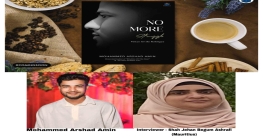
Interview of Mohammed Arshad Amin: Reclaiming our voice through poetry*
*Mohammed Arshad Amin: Reclaiming our voice through poetry*
Mohammed Arshad Amin is a 22-year-old professional teacher. Faced with racism, he started writing poetry. He is a Rohingya, one of the most persecuted people from Myanmar. The poet has written four poetry books: "Rhythms of The Heart", "No More Refugee Life", "No More Struggle", and "No More Silence" to depict the reality of refugees. His desire for sharing stories is fulfilled as his poetry allows so many unheard stories to travel through time. For him, poetry is a means to reclaim his voice, tell his truth, and keep his people's memories alive. As a refugee, he finds writing to be the perfect tool for survival. Poetry allows him to stay human.
His collection of poetry ‘No More’ reaches deep into humanity's soul. It's not only about the loss of homeland and life in refugee camps, but also about perseverance without giving up. Above all, it's a saga of resilience. The poet's voice cannot be silenced, as it knows how to find its way to people's hearts. Mohammad Arshad Amin has sown seeds of hope in the heart of despair within this beautiful poetry book. With calmness, he has woven untold stories from refugee camps, choosing to whisper rather than shout.
Here’s an interview with the young poet:
*1. Tell us about your book ‘No More’:*
For me, “No More” is more than just a title; it’s a declaration born from pain, resilience, and hope. As a refugee, these two words express everything I’ve lived through and everything I continue to resist. Each book reflects a different layer of the refugee experience. Yet, we all carry the same heart, a call to end the suffering, the injustice, and the invisibility we face. “No More” is my way of saying we’ve had enough. It’s time for dignity. It’s time for truth. Through these words, I hope to amplify the voices of the voiceless and make the world stop, listen, and remember. We are also human, just like you.
*2. What does it mean to be a Rohingya?*
Being Rohingya means I was born into statelessness, into a life where my identity was treated like a crime. I didn’t choose this life, but I carry its weight every day. In Myanmar, we were stripped of our citizenship, denied basic rights, and treated as if we didn’t exist. My childhood was filled with fear: the fear of being arrested, the fear of losing my family, the fear of simply being Rohingya. We couldn’t go to school freely. We were not allowed to travel or speak openly. And when the violence came, we lost everything: our homes, our neighbors, our sense of belonging.
*3. Describe your survival.*
I survived. But survival came with scars, some visible, most buried deep. As a refugee, I now live far from my homeland, but the pain of being uprooted never leaves. That’s why I write. I want to remember and resist. I make sure that our truth is never erased. Life as a refugee is a constant struggle between hope and helplessness. It feels like living in limbo, where you survive but don’t really live.
*4. What does writing mean to you?*
I write to survive, to heal, and to be heard. Writing is my way of reclaiming a voice that the world tried to silence. But it’s not just about me; I write for my people, for those who continue to suffer in silence. As a Rohingya, I belong to a community that has been stripped of its voice and dignity. Through poetry, I try to speak not only of my pain but of our collective truth, to tell the world we exist, we matter, and our stories deserve to be heard. As a refugee, my book ‘No More’ is my message to the world. It’s a plea, a protest, and a truth. Each poem speaks to the pain, the resilience, and the forgotten voices of my people. It calls on the world to see us, hear us, and stand with us, not out of pity but out of justice. ‘No More’ is not just a book of poetry; it’s a voice for the voiceless and a reminder that silence helps no one.
*5. Give us your message on peace:*
Peace means more than the absence of war. It means having freedom, dignity, and a place to belong. Peace is the right to live without fear and the hope of returning home. My message of peace to the world is simple. Peace is the foundation of our shared humanity. It is not just the absence of conflict but the presence of justice, respect, and understanding. As a refugee, I have seen how violence and hatred tear families and communities apart. I dream of a world where no one is forced to flee their home, where every person can live with dignity and hope. Let us choose compassion over fear, dialogue over silence, and unity over division. Together, we can build a future where peace is not just a wish but a reality for all.
*Interviewer: Shah Jehan Ashrafi*
*Collected from the interviewer by Md Ejaj Ahamed*
১১:৪০ এএম, ২৯ জুন ২০২৫ রোববার

Poem - Manush, Poet - Kazi Nazrul Islam, Translation: Gazi Abdulla-hel Baqui
(The original title of the poem in Bangla “Manush” written by Kazi Nazrul Islam, The National Poet of Bangladesh. This is deemed one of the oft-quoted and oft-discussed famous poems ever written in Bangla literature.)
Original: Kazi Nazrul Islam
Translation: Gazi Abdulla-hel Baqui
I sing the song of equality—
There is none greater, or nothing nobler than man
No disunion among states-ages-places, unity among castes and creeds,
He is the relation to the peoples of all countries and houses for all ages.
‘O worshipper, open the door,
The hungry Brahmin stands at the door, for the time of worship is up!’
Dreaming this, the eager worshipper opened the door,
As if he will certainly turn today into a richest one at god’s boon!
With torn clothes and emaciated body, in a voice enfeebled with hunger—
The traveller implores, ’Father, open the door, I have been without food
for seven days!’
Instantly the temple door was shut, the said hunger-struck moved back,
The night was dark, and he was pinched with burning hunger all through
his way!
The wayfarer uttered in a sobbing tone,
‘That temple belongs to the worshipper, Alas! O Lord, it is not yours!’
Yesterday lots of food-offering came to mosque,–ample loaves of bread
and meat
Was left over, so the Mullah broke into a loud giggle,
Suddenly appeared a traveller bearing on his body marks of sickness
He said, ‘Father, I have been hungry and tired for the last seven days!’
Furious the Mullah growled–‘Well, I see, what a great trouble,
Hungry you are, you die in the dead animals’ yard! Do you say prayer?’
The traveller replied, ‘No father!’ the Mullah shouted–‘Then O wretch
Go your own way!’ Taking bread and meat in, he locked the mosque.
The said hunger-struck turned back
He went on his way saying—
Eighty years have elapsed; I did not invoke You,
You did not stop giving food to appease my hunger, O Lord.’
But no Lord in mosques and temples; men have occupied them!
Mullah and Priest have got all the doors of them under lock and key!’
Where are Genghis, Mahmood of Gazni and Iconoclasts?
Break open all the locked doors of those houses of prayer!
Who slams the doors of Allah’s mosque and who locks it up?
All doors of it will remain open, drive hammers and crowbars!
Alas, O the house of worship,
Climbing on your minaret the hypocrite sings the victory of selfishness!
Who are they that detest men?
But lovingly pour kisses on the Quran, the Vedas and the Bible!
Snatch away those Scriptures forcibly from their months,
That brought holy books by killing those people.
The hypocrites are worshipping books!—you the blockheads, listen,
Men have brought books;—no books men have brought.
Adam, Dowd, Isa, Musa, Ibrahim, Muhammad
Krishna, Buddha, Nanak, Kabir,—they are the gems of the world,
They are our fathers and fore-fathers, just within us
Blood of them flows in our arteries more or less!
We are their offspring and relations, we bodily resemble theirs!
Who knows when we may become like any one of them, or so?
Don’t laugh, my friend! I am mine and so unfathomable and limitless,
I may not know but who knows who is latent in me so gloriously.
Possibly Kalki may thrive in me, likely Mehedi Isa in you,
Who knows whose origin and end; who gets whose whereabouts,
Whom have you despised, oh brother, whom have you kicked?
Lord has very likely been residing within him day and night!
Or he may be none like anyone, nor be he so great,
He is dirty and wounded being afflicted with sorrows and distress,
Yet all the Scriptures and houses of worships
Are not equally holy as that tiny body is!
It may be through his paternity and in his abode
Is born someone–matchless in the history of the world!
Still to the world there is the message unheard-of, there is the person
Wielding enormous prowess remains unseen,–may flourish in his home!
Who is he, the low-caste caretaker of the burning ground?
Why be startled? He is not a despicable man!
He may become Harischandra, or Shib of the cremation ground!
Today a low-caste caretaker, tomorrow a great devoted emperor,
Tomorrow you will bestow him offerings, will recite hymn of eulogy!
Who is neglected being branded as a cowboy, who this negligence is
directed to.
Possibly Gopal of Braja has secretly come in the guise of cowboy!
You despise another by calling him a farmer!
O, lo, whether Balaram came secretly in the guise of a farmer!
Almost all the prophets were cowboys and they held the oars,
They preached the eternal messages—that still survives and will outlast
Beggars of both the sexes being abused at the doors turn back every day,
Among them Bholanath Girizaya might come, that remained unknown!
A handful of alms were not given lest it should lessen your consumption,
You had the god driven away by awarding guard’s beating
That beating remained stored up–
Who knows whether the goddess of punishment has pardoned you!
O friend, your bosom is brimful of greed, eyes veiled with blinkers,
So the Lord is reluctant to look after you and bestow service to you.
Whatever be the amount of time for Lord’s stay in man’s heart, and pain
churned nectar,
Will be robbed of for your use, O beast? Appease your hunger with that?
The food for your hunger is known by Mondodoriya, your consort,
And also your death-arrow lies somewhere in your palace!
Instinct, your passionate queen,
To the death-pit has dragged you down throughout the ages, O beast’.
Biographical Information
Dr. Gazi Abdulla-hel Baqui, poet, writer, translator, and a university professor, has already authored twenty books and a great number of poems, (including haiku and rubaiyat), articles and stories have been published in different national and local and online Dailies, Magazines, Journals, Periodicals etc. Besides being awarded internationally for his poetic accomplishments, he has many a time been honored by different organizations of Bangladesh for his contribution to literature, education and research. A solo cassette album of his eleven poems called `Visions’ and his poems in some anthologies have been published by The National Library of Poetry, Maryland. Oddball Magazine, English Teaching Forum, Poetry.com etc.have also published his poems. His prize-winning poems on peace have been published in Official Catalogues by Cultura-e-Societa, Torino, Italy. His poems generally deal with peace and patriotism, eternal problems and lasting human conviction.
*Collected from the translator by Md Ejaj Ahamed*
১১:৩৬ এএম, ২৯ জুন ২০২৫ রোববার


- সামসেরগঞ্জে বিপুল পরিমাণ নিষিদ্ধ ইয়াবা ট্যাবলেট উদ্ধার, গ্রেপ্তার এক
- মাউন্টিং পাবলিক স্কুলে ভর্তি পরীক্ষায় পড়ুয়াদের ঢল
- মিঠুন-শ্রাবন্তীর উপস্থিতিতে জমজমাট ‘স্টার লাইট অনন্য সম্মান ২০২৬
- অন্নপূর্ণা ভাণ্ডার ও SIR-এর নামে সই সংগ্রহ, এলাকাবাসীকে সতর্ক করলেন পঞ্চায়েত প্রধান
- ৫০০ পিস ফেনসিডিল-সহ গ্রেফতার মালদার যুবক
- উচ্চ মাধ্যমিকে বাতিল হচ্ছে সেমেস্টার?
- উচ্চ মাধ্যমিকে বাতিল হচ্ছে সেমেস্টার? পালাবদলের পর পুরোনো নিয়মে ফেরার জল্পনা
- সুজিত মণ্ডল খুনকাণ্ডে বড় মোড়! পালানোর চেষ্টার অভিযোগ, পুলিশের গুলিতে মৃত্যু অভিযুক্ত সামাউন শেখের
- কবিতা - টাকা
- সিসিটিভি ও মোবাইল ডেটার সূত্রে ২৪ ঘণ্টায় ফরাক্কা খুনের কিনারা, গ্রেফতার মূল অভিযুক্ত
- সামশেরগঞ্জে আগ্নেয়াস্ত্র-কার্তুজ-সহ গ্রেফতার যুবক, উদ্ধার ২টি আগ্নেয়াস্ত্র ও ২ রাউন্ড কার্তুজ
- পরকীয়ার সন্দেহে স্বামীকে খুনের অভিযোগ,সাংবাদিক বৈঠক পুলিশের
- রাস্তা পারাপারের সময় দুর্ঘটনা, প্রায় ২০০ মিটার ছেঁচড়ে নিয়ে যাওয়ার অভিযোগ পরিবারের; মৃতের বাড়িতে শোকের ছায়া
সামশেরগঞ্জের চকসাপুরে মর্মান্তিক পথ দুর্ঘটনা, ১৪ চাকা লরির চাকায় পিষ্ট হয়ে মৃত্যু এক ব্যক্তির - ফারাক্কায় ধানখেত থেকে অজ্ঞাত যুবকের গলাকাটা দেহ উদ্ধার, ঝাড়খণ্ড সীমান্তে চাঞ্চল্য
- ধুলিয়ান গঙ্গাঘাটে কড়া নিরাপত্তায় প্রতিমা বিসর্জন, তৎপর পুলিশ-প্রশাসন
- প্রতিমা বিসর্জনে অপ্রীতিকর ঘটনা রুখতে তৎপর পুলিশ, মাঝিদের নিয়ে বিশেষ বৈঠক
- সামশেরগঞ্জের বেতবোনায় প্রশাসনের উদ্যোগে বস্ত্র ও খাদ্যসামগ্রী বিতরণ
- ধুলিয়ানে পুজোর উপহার, শতাধিক শিশুর হাতে নতুন পোশাক তুলে দেওয়ার উদ্যোগ চুন্নুর।
- ঘৃণার আগুন নিভিয়ে দাও মৈত্রীর প্রদীপ জ্বেলে দাও
- ভেজাল হলুদ কাণ্ডে ধৃতকে আদালতে পাঠাল সামসেরগঞ্জ থানার পুলিশ
- এনটিপিসি ফরাক্কার প্রশিক্ষণে ৩০ জনেরই চাকরি বৈষ্ণবন
- সামশেরগঞ্জে ভেজাল হলুদ তৈরির কারখানায় পুলিশের অভিযান, গ্রেফতার এক
- রঘুনাথগঞ্জ বাসস্ট্যান্ড থেকে ৩০০ গ্রাম হেরোইন উদ্ধার, গ্রেফতার চার
- পাকুড়-বাংলা সীমান্তে ফের চালু টোটো স্ট্যান্ড, স্থায়ী সমাধানের অপেক্ষায় সীমান্তবাসী
- অনুষ্ঠিত হলো নিখিলবঙ্গ মেধা অন্বেষণ উৎকর্ষ অভিযান ২০২৬
- আয়না
- রাজ্য স্কুল অ্যাথলেটিক্সে মালদার সাফল্য: ঝুলিতে ৬ সোনাসহ ১২ পদক
- সবজির ব্যাগে কোটি টাকার হেরোইন! সামশেরগঞ্জে পুলিশের জালে ১৮ বছরের যুবক
- ভাষাইপাইকড় পঞ্চায়েতে খারিজ স্টে অর্ডার, বহাল প্রধান-উপপ্রধান
- খড়দহে বিজেপির দলীয় কর্মসূচিতে দুই গোষ্ঠীর সংঘর্ষ ও বোমাবাজির অভিযোগ, আহত ৪; আটক ৬
- মিঠুন-শ্রাবন্তীর উপস্থিতিতে জমজমাট ‘স্টার লাইট অনন্য সম্মান ২০২৬
- ৫০০ পিস ফেনসিডিল-সহ গ্রেফতার মালদার যুবক
- মাউন্টিং পাবলিক স্কুলে ভর্তি পরীক্ষায় পড়ুয়াদের ঢল
- উচ্চ মাধ্যমিকে বাতিল হচ্ছে সেমেস্টার?
- উচ্চ মাধ্যমিকে বাতিল হচ্ছে সেমেস্টার? পালাবদলের পর পুরোনো নিয়মে ফেরার জল্পনা
- অন্নপূর্ণা ভাণ্ডার ও SIR-এর নামে সই সংগ্রহ, এলাকাবাসীকে সতর্ক করলেন পঞ্চায়েত প্রধান
- সামসেরগঞ্জে বিপুল পরিমাণ নিষিদ্ধ ইয়াবা ট্যাবলেট উদ্ধার, গ্রেপ্তার এক